This article originally appeared in the Summer 2026 issue of EquiManagement. Sign up here for a FREE subscription to EquiManagement’s quarterly digital or print magazine and any special issues.
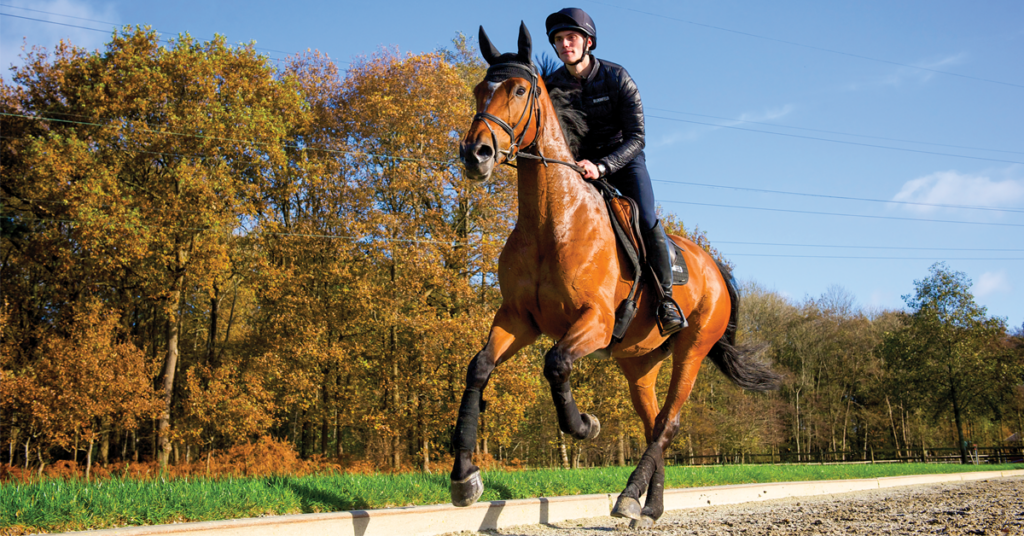
Want to repair a track star’s tendon injury? Look to recent research in sport horse tendon lesions. Hope to predict cardiac strain in an eventing horse? Check out the latest scientific practice in human athlete heart monitoring.
Human sports medicine often moves quickly because of funding and large research infrastructures, leading to rapid progress. Veterinary sports medicine, meanwhile, tends to benefit from faster regulatory pathways, meaning a quicker road to clinical applications.
Alone, each field can hit gaps and frustration. But increasingly, scientists in those fields are realizing the benefits of teaming up—sharing their studies and knowledge in ways that draw from the best of both worlds to benefit athletes of both species, says Lauren Schnabel, DVM, PhD, DACVS, DACVSMR, professor of equine orthopedic surgery at North Carolina State University’s College of Veterinary Medicine, in Raleigh.
“There’s so much more crosstalk now,” she says. “And there’s a lot more mutual respect for each other’s specialties. These channels are finally open, and we’re communicating clearly. It’s exciting!”
In this article, we’ll take a closer look at that “crosstalk” to see how One Health is helping both humans and animals, as well as the scientific teams who work to improve their health and performance.
The ‘One Health’ Approach
Translational medicine sometimes meshes with a similar, but distinct concept known as One Health. The key particularity about One Health is it includes a third party: the environment.
One Health emerged in the early 2000s as a framework recognizing that the health of humans, animals, and the environment are deeply interconnected, explains Yosra Helmy, DVM, MVSc, PhD, associate professor of One Health and Infectious Diseases at the University of Kentucky’s Maxwell H. Gluck Equine Research Center, in Lexington. Historically, the concept has focused on zoonotic diseases, antimicrobial resistance, food safety, and environmental health.
“One Health means looking at health challenges through the connection between humans, animals, and the environment,” she says. “It brings together experts in human medicine, veterinary medicine, environmental science, and agriculture to work toward shared solutions.”
Cardiac Health and Fitness
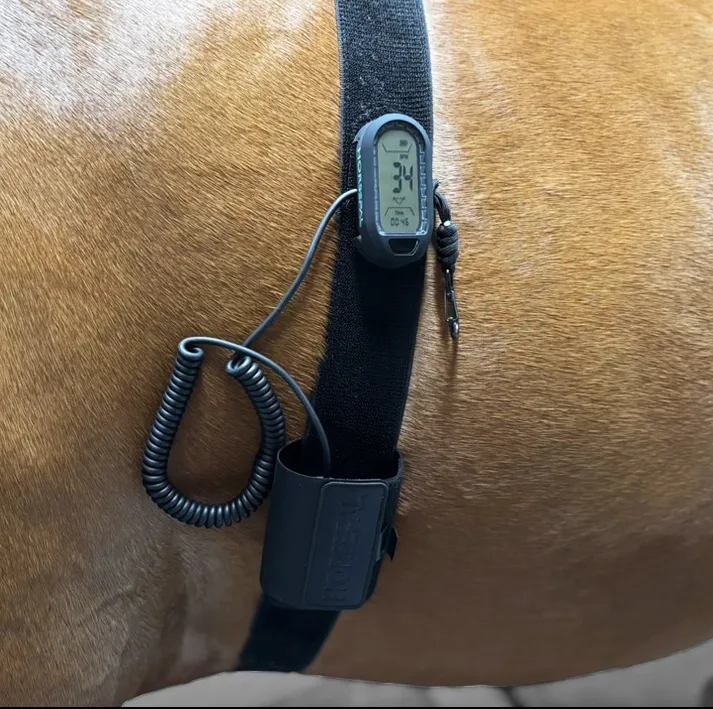
High-level human athletes have benefited from cardiovascular monitoring for years, as health professionals track the responses of their heart and circulatory system to training and workload, Schnabel says. That’s broadened the field of sports cardiology, as scientists explore the effects of exercise on health and learn how to spot potential problems like cardiac arrhythmias before they happen.
It’s something equine athletes could greatly benefit from, given the tragic cases of sudden death and other cardiac health issues that can occur, often in eventers and racehorses. “We really need to advance the equine field in the monitoring and proper training of our athletes,” she says.
Cristobal Navas de Solis, LV, PhD, MS, DACVIM, at the University of Pennsylvania’s New Bolton Center Veterinary Hospital, is hot on that trail. As equine monitoring technology advances—with species-specific wearable combinations of heart rate recordings, electrocardiograms (ECGs), stride measurements, and GPS that were once reserved only for humans—Navas de Solis is applying human sports cardiology to horses.
“He’s really transformed the monitoring of equine athletes,” Schnabel says. “They wear fitness trackers and monitoring equipment for every performance, so there’s all sorts of monitoring of their cardiovascular fitness.” That includes following cardiac response to athletic activity to assess how a horse tolerates external loads such as speed, distance, and jumping.
Continuous ECG monitoring in horses is revealing arrhythmias during exercise that echo those in human athletes prior to a catastrophic cardiac event, she adds. “Sudden death during exercise is much more frequent in horses than in humans, and it is important that we take care of our equine partners,” Schnabel explains.
“Horses have so much cardiac reserve that at rest they often don’t show any signs,” she says. “But when exercising at high intensity, problems like atrial fibrillation can become dangerous. So we’re learning how to catch these things and prevent fatalities.”
Regenerative Medicine
Human and equine athletes have strikingly similar soft tissues, according to research led by Lisa Fortier, DVM, PhD, DACVS, at Cornell University in Ithaca, New York. Horses’ superficial digital flexor tendon, for example, closely mirrors people’s Achilles tendon—both of which are energy-storing lower leg tendons that sometimes sustain overstrain injuries during athletic activity.
This makes them great scientific models for each other—not only for studying use and overuse, but also for investigating therapeutic solutions. One particularly strong translational medicine field is regenerative biologic therapies—mesenchymal stem cells, platelet-rich plasma, and other orthobiologics—as a flood of recent research shows.
Regulatory authorities such as the U.S. Food and Drug Administration (FDA), the European Medicines Agency, and the International Society for Stem Cell Research emphasize the importance of large-animal models before advanced cell therapies move toward human clinical use, Fortier states. That initiative, plus more open regulation in veterinary versus human medicine, has led to a boom in regenerative techniques in equine clinical practice and research that ultimately benefits both human and animal athletes.
Equine studies with mesenchymal stem cell treatments, for example, have shown how new fibers closely resemble normal tendon tissue, and other studies with platelet-rich plasma shed light on the effects of growth factors on inflammation and tissue repair.
Endocrine Disorders
In horses and humans, metabolic disorders such as obesity and insulin resistance disrupt the same core physiological systems—insulin signaling, glucose transport, and inflammatory pathways that influence muscle metabolism and cardiovascular health. That similarity has led researchers to view the horse as a valuable large-animal model for studying insulin resistance and metabolic dysfunction in athletic populations.
It’s long been known these conditions affect individuals who have excess adipose and other signs of unhealthy body condition. But translational medicine is now helping scientists learn that such endocrine issues also pop up regularly in physically fit athletes.
“You can’t tell phenotypically just by looking,” Schnabel says. “We’re not talking about fat horses with long hair coats that have PPID, for example. These are fit performance horses with insulin dysregulation.”
Recently, Schnabel and colleagues—including her PhD student Kimberly Hallowell, DVM, DACVIM, and Andrew van Eps, BVSc, PhD, DACVIM, at the University of Pennsylvania’s New Bolton Center Veterinary Hospital—found that about a quarter of the performance horses they screened at the North Carolina State University Equine Hospital were insulin dysregulated.
As a result, endocrine disease is becoming increasingly recognized as a performance issue in both equine and human athletes, she says. Metabolic dysfunction in athletes occurs at the cellular level, however, making it easy to overlook. Standard screening can identify affected equine and human athletes, but it’s tricky. In both cases, the athletes need glucose challenge tests, not baseline insulin levels. “Otherwise, you’re going to miss a large proportion of them,” Schnabel says.
Scientists already know horses with metabolic disease are prone to laminitis and humans with the condition are prone to tendon and ligament issues. Now, researchers from both fields are starting to link connective tissue with metabolic disease and seeing that endocrine disorders might play a bigger role in musculoskeletal injuries and other connective tissue problems than previously thought.
“My lab is looking at tendon and ligament injuries that could perhaps be due to that dysregulation,” Schnabel says. “We’re trying to figure it out.” So are other teams, including one led by Jane Manfredi, DVM, MS, PhD, DACVS, DACVSMR, PG Cert, at Michigan State University’s College of Veterinary Medicine, in East Lansing.
Importantly, knowing an athlete’s endocrine status can be critical when it comes to steroid therapies—a common treatment for sports-related injuries—as underlying metabolic disease makes horses highly sensitive to the effects of these drugs. “We have had what we believed to be healthy young horses develop catastrophic laminitis after routine steroid administration at normal doses,” Schnabel recalls.
Such incidents have prompted grants for further research investigating drug doses, how to best administer steroids to athletes when needed, and how to best test for insulin dysregulation in a practical way in the field.
Horse-Human Biomechanics
Because equestrian sports involve two species, scientists are investigating how their individual biomechanics affect each other, Schnabel says. People’s natural balance, or any asymmetries due to old injuries, can have short- and long-term consequences on how horses move and compensate, as well as how they interpret aids.
And vice-versa: An imbalanced or subtly lame horse could place strain or pressure on a rider that could, over time, have lasting biomechanical consequences. While mild, they could still cause slight changes in performance and comfort.
“We’re talking about athletes,” she says. “The fitness and symmetry of the rider is going to affect the horse, and that’s fascinating when you think about it.”
Holistic and Circadian Medicine, the Microbiome, and Sports Psychology
Across different species, holistic medicine treats the body as an interconnected whole rather than independent systems, and integrative approaches combine conventional treatments with complementary modalities such as rehabilitation therapy, acupuncture, chiropractic care, laser therapy, and targeted nutrition. Such approaches are becoming increasingly common in human sports medicine, where injury management frequently blends physiotherapy, conditioning programs, nutritional support, and other therapies to address the athlete as a whole rather than focusing on a single injury or disease. Equine sports medicine is following close on its heels.
Circadian biology research is one such developing field, showing how daily rhythms regulate hormone production, metabolism, immune function, and muscle physiology across species. Studies reveal that light exposure, feeding schedules, and training times can influence recovery and performance in both horses and human athletes, for example. Disruptions to these rhythms—through travel, irregular training schedules, or artificial lighting—might interfere with recovery and immune regulation.
Microbiome research, meanwhile, is tackling sports medicine from the inside out, exposing how its makeup affects immunity, respiratory health, metabolism, and even athletic performance in both horses and humans, says Yosra Helmy, DVM, MVSc, PhD, associate professor of One Health and Infectious Diseases at the University of Kentucky’s Maxwell H. Gluck Equine Research Center, in Lexington.
An emphasis on mental health is growing in sports medicine as well, as human research highlights the importance of sports psychology in athlete welfare and performance. “Sports psychology is huge,” Schnabel says. Equine behavior scientists are now making connections between horse welfare and athletic performance, finding that happier horses tend to rank higher in competitions.
In equestrian competitions in particular, the mental state of one participant influences the other. Riders returning to the scene after injury, for example, might transmit their stress and anxiety to their mounts. “Horses are so sensitive, and they really feed on our emotions,” Schnabel says. “So a person’s tension or nervousness can have a huge effect on the horse as well.”
Asthma and Other Respiratory Issues
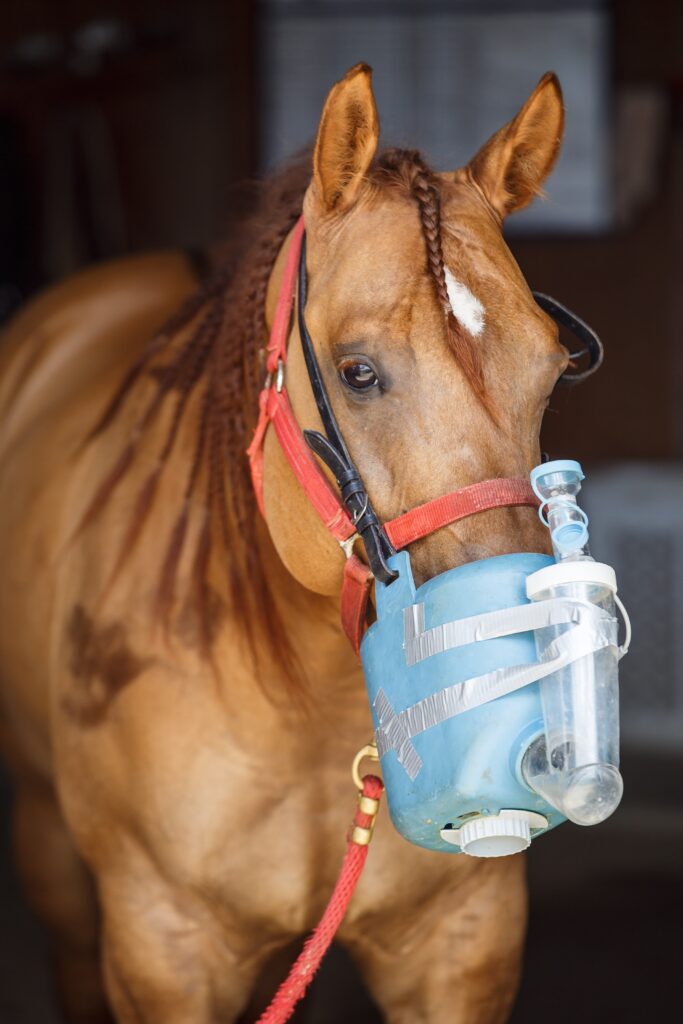
Equine asthma closely resembles human asthma, affecting health, welfare, and athletic performance and sharing many biological and clinical features, such as chronic airway inflammation, mucus accumulation, and airway hyperreactivity.
That makes horses valuable animal models for understanding human airway disease—including in athletes. Investigations into how respiratory conditions affect oxygen transport, lactate accumulation, and exercise tolerance provide critical insights for both species. Plus, horses’ large lungs and exercise physiology offer scientists a vivid view of respiratory function under extreme athletic conditions.
Luca Stucchi at the University of Milan’s Franco Tradati Equine Sports Medicine Laboratory, in Italy, is one such scientist. His recent study on racehorses shows that even mild forms of equine asthma—with no clinical signs but visible on bronchoalveolar lavage—can impair oxygen exchange during exercise.
Inflammatory cells in the airways correlate with an earlier shift from aerobic to anaerobic metabolism during exertion, the team reports. The principle appears similar to airway inflammation and exercise-induced bronchoconstriction in human athletes, which reduces ventilation efficiency and oxygen delivery during intense exertion.
The environment horses and humans work and live in plays a major role in respiratory health—an important reminder of the One Health connection between horses, humans, and the spaces they share, Helmy says.
In barns, the air horses breathe can contain dust, mold spores, mites, fungi, and bacteria from hay, bedding, and arena dust. Manure and urine can release ammonia and bacterial byproducts that irritate the airways. Even everyday management products such as disinfectants, fly sprays, or aerosolized chemicals can worsen respiratory irritation in sensitive horses.
Humans working in equestrian environments are exposed to these same irritants, which can create health issues for them as well. Athletes in nonequestrian disciplines face similar challenges in their own training environments, where chalk dust, cleaning agents, and urban air pollution can affect breathing during training. “All of these environmental exposures affect the athlete,” she says.
Combined research efforts to explore such effects benefit both species, our sources say.
Biosecurity, Infectious Diseases, and Antibiotic Resistance
Athletes and fans aren’t the only ones who convene at competition sites; these are prime breeding and spreading grounds for pathogens that can affect humans and horses alike, Helmy says. Some of those pathogens might affect only horses or humans, but each one helps transmit microbes to the other through close contact or the environment. And others—like Salmonella, methicillin-resistant Staphylococcus aureus (MRSA), and those responsible for ringworm, West Nile virus, rabies, and Lyme disease—infect both humans and horses.
Transport increases the chances of pathogen transmission, she adds. Not only do athletes get exposed to more individuals and environments while traveling, but travel stress also suppresses the immune system, making athletes more susceptible.
As such, infectious diseases offer a prime One Health opportunity, says Helmy. Specialists can share knowledge on their target species, while showing how each species affects the other during an outbreak. Consequently, biosecurity through measures such as thorough disinfection and social isolation becomes a hot One Health topic.
“You can’t separate sports medicine from infectious diseases or environmental factors,” Helmy says. “Everything is connected.”
Antibiotics add to the One Health picture, as they’re a common go-to for trying to control outbreaks or prevent infections in wounds after athletic injuries. But casual use contributes to antimicrobial resistance, which affects any species that gets bacterial infections, she warns. “We need targeted diagnosis before treatment and responsible use of antibiotics.”
Take-Home Message
Sport horse medicine increasingly reflects a One Health perspective—recognizing that horses, humans, and the environments they share can influence health and athletic performance. Scientific insights move in both directions between veterinary and human medicine. From cardiac monitoring and regenerative therapies to microbiome science and biosecurity, comparative research in horses and humans continues to contribute to a broader understanding of athletic health, injury, and recovery across species.
Related Reading
- Orthobiologics in Equine Practice: What’s Available and What Do We Know?
- Updates on Equine Endocrinological Disorders: PPID and EMS
- Understanding the Biomechanics of Equine Movement and Balance
Stay in the know! Sign up for EquiManagement’s FREE weekly newsletters to get the latest equine research, disease alerts, and vet practice updates delivered straight to your inbox.