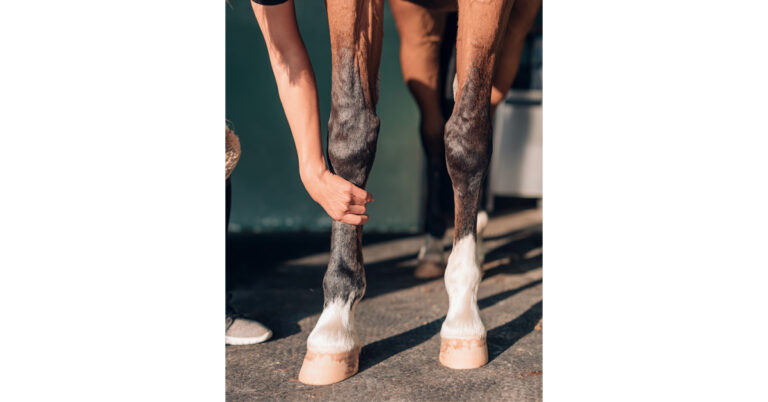
Veterinarians often use intravenous sodium hyaluronate (HA) to improve horses’ performance, especially in equine athletes that incur repetitive compressive forces on their joints. Researchers at Virginia Tech recently examined HA’s effects on fetlock and hock joint range of motion (ROM) before and shortly after exercise.
Study Population
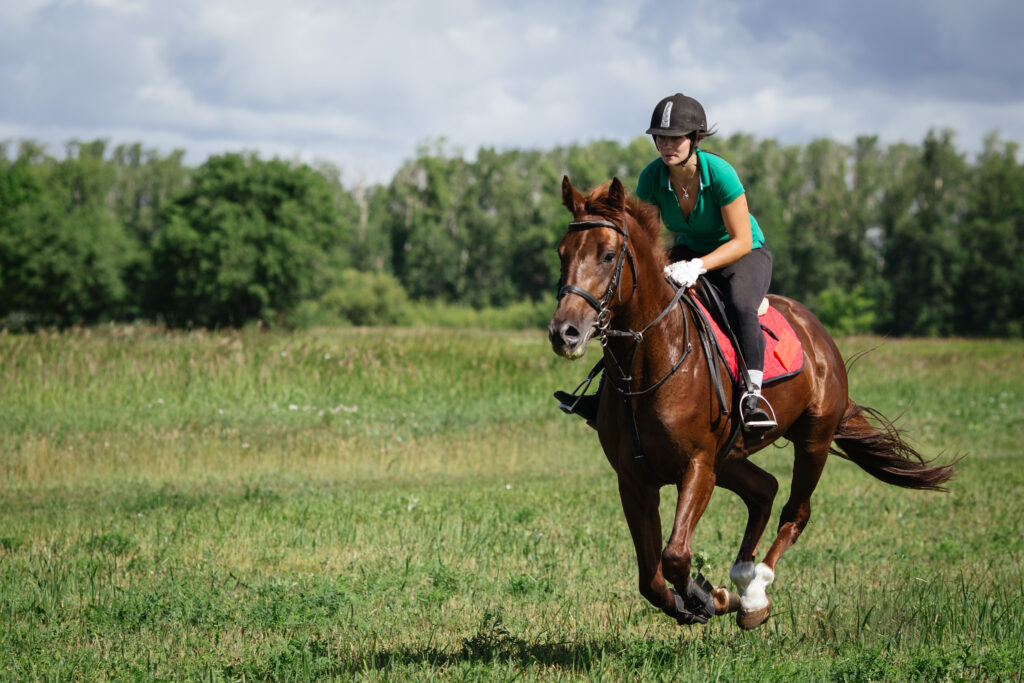
The study involved 16 sound, adult Thoroughbreds conditioned with a moderate-intensity exercise program for six weeks. On Week 7, the researchers administered 40 mg HA intravenously to the eight study horses and 4 ml sterile saline to the eight controls 24 hours prior to a standardized exercise test. The test was designed to mimic a low-level cross-country course at a 6% incline without jumping obstacles; instead, the horses galloped and trotted for extended periods. The researchers administered a second IV dose of HA or saline six hours following the exercise test.
Study Findings
The horses that had received HA showed minor improvements on their passive fetlock flexions before the exercise test compared to the controls. This mild improvement in ROM was no longer evident four or 24 hours following the exercise test. Left and right hock ROM did not change in the controls or the HA group. Post-exercise treatment with HA did not alter ROM during the 24-hour recovery period.
Final Thoughts
The authors summarized, “Injection of HA before and immediately after a single bout of exercise offered little substantive gains in joint ROM.” This study only evaluated joint mobility and did not measure “relief from inflammation or pain suppression,” which might account for the improvements equine practitioners and horse owners report with IV HA. The researchers noted that multiple HA injections could potentially have favorable effects for performance horses.
Reference
Riey JW, Chance LM, Barshick MR, Johnson SE. Administration of sodium hyaluronate to adult horses prior to and immediately after exercise does not alter range of motion in either the tarsus or metacarpophalangeal joints. Translational Animal Science 2024, vol. 8; DOI: 10.1093/tas/tx-ae153
Related Reading
- Evaluating the Impact of CBD on Equine Joint Inflammation
- Daily Vet Life: Using Pentosan to Manage Horses With Osteoarthritis
- Therapeutic Effects of Intra-Articular Hyaluronic Acid With Gold Microparticles
Stay in the know! Sign up for EquiManagement’s FREE weekly newsletters to get the latest equine research, disease alerts, and vet practice updates delivered straight to your inbox.