Turning a passion for horses into a veterinary career can be very rewarding, but it requires dedication, planning, education, and hands-on experience. This list of 10 things you might not know about becoming an equine veterinarian can help you determine if this is the right career path for you.
1. You college major does not have to be in science.
Most veterinary schools require applicants to complete an undergraduate degree (or international equivalent), but your major can be in almost any subject. Many future veterinarians choose majors like animal science, biology, or chemistry because they include classes that count towards veterinary school prerequisites. However, students who major in subjects like psychology, economics, or communications can still be competitive applicants as long as they complete the required science courses.
2. Veterinary school is expensive, but financial help is available.
Veterinary students may receive a combination of grants, scholarships, and loans to help cover expenses. For example, the UC Davis Weill School of Veterinary Medicine administers around 700 scholarships every year. Some are based on academic achievement, while others consider financial need or specific career interests. The American Association of Veterinary Medical Colleges (AAVMC) provides a free online tool to help students compare costs between veterinary schools: https://www.aavmc.org/cost-comparison-tool/.
3. Taking a “gap year” can strengthen your application.
Not everyone goes straight from college to veterinary school. Some students take a year in between to gain additional experience and prepare their applications. This can be a great time to work with veterinarians, get more animal care experience, build professional connections, and confirm that a career in veterinary medicine is the right choice. This time can also be used to save money or establish residency in a state where in-state tuition may be lower.
4. Veterinary experience can come from many different places.
Veterinary schools want applicants to have hands-on experience with animals under the direction of veterinarians, but that experience doesn’t have to be restricted to a clinic. Students learn valuable skills in veterinary hospitals, on farms and ranches, and at animal shelters, rescue organizations, zoos, and aquariums. Another opportunity is participating in undergraduate research, which can provide a unique perspective on how scientists study animal health and develop new treatments and technologies.
5. Strong letters of recommendation make a big difference.
Letters of recommendation are critical components of veterinary school applications. They help admissions committees learn about your character, work ethic, and commitment to animal care. Most schools require at least one letter from a veterinarian. The strongest letters come from professionals who know you well.
6. Every veterinary school has different admissions requirements.
Veterinary school applications usually include transcripts, records of your veterinary experience, recommendation letters, and essays. However, each veterinary school has its own requirements. Some schools invite selected applicants to participate in interviews. These may include panel interviews with committee members or “multiple mini interviews” where applicants rotate through short scenarios designed to evaluate communication skills, ethical decision-making, and problem-solving.
7. Veterinarians need strong communication skills.
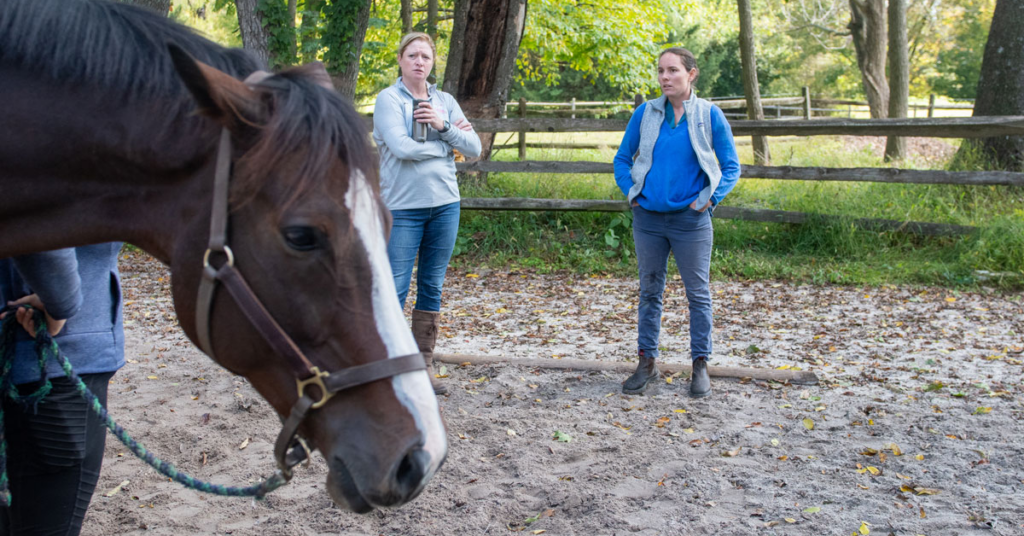
Veterinary medicine isn’t just about diagnosing and treating diseases in animals. Clear communication with owners is essential. Equine veterinarians regularly explain medical conditions, care and treatment options, and the importance of preventive care to owners, trainers, riders, farriers, and others. Since decisions can involve important emotional and financial considerations, veterinarians need strong skills in communication, patience, and empathy.
8. Racetracks offer unique learning opportunities.
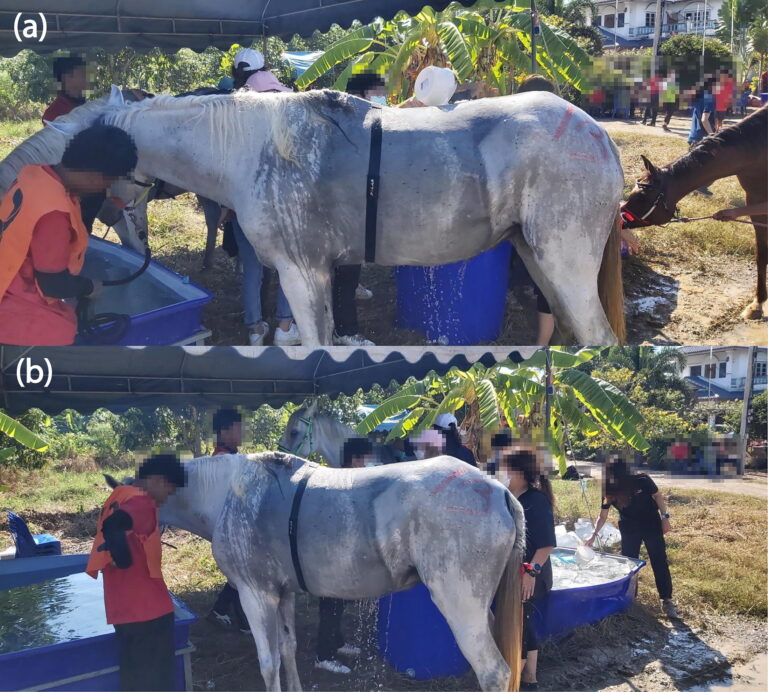
Horses involved in racing require specialized care to stay healthy and perform safely, so racetracks can provide a fascinating look at the world of equine athletes. Working or volunteering at a racetrack can provide exposure to equine sports medicine, injury prevention, and the daily management of high-performance horses.
9. You do not have to be a rider to become an equine veterinarian.
Some of the best equine veterinarians have never ridden a horse! While it is important to become comfortable around horses if you want to become an equine veterinarian, there are many ways to learn about horse care that do not involve riding. Jobs involving stall cleaning, feeding, grooming, or general barn work can teach you a lot about horse behavior, anatomy, and daily care. These experiences can also introduce you to veterinarians, farriers, and other professionals who may offer future opportunities.
10. Farriers can teach you a lot about horse health.
You may have heard the phrase, “No hoof. No horse.” Healthy hooves are essential to a horse’s overall health and performance. Farriers specialize in trimming hooves and fitting horseshoes, and they often work closely with veterinarians when horses have hoof injuries or lameness issues. Spending time observing a farrier can help you learn about hoof care, horse anatomy, and how different professionals work together, and with their clients, to keep horses healthy.
This article originally appeared in the UC Davis School of Veterinary Medicine Spring 2026 Horse Report.
Related Reading
- Opening Doors: What You Can Do With a Veterinary Degree
- Do You Want to Become an Equine Veterinarian? Start Here
- Dual Passions: Veterinarians Who Ride
Stay in the know! Sign up for EquiManagement’s FREE weekly newsletters to get the latest equine research, disease alerts, and vet practice updates delivered straight to your inbox.