The term “spectrum of care” recognizes that multiple diagnostic and treatment pathways may be components of acceptable veterinary care when tailored to the patient, client, available resources, and clinical setting. During an AAEP presentation sponsored by American Regent Animal Health, Sarah Babcock, DVM, JD; Barb Crabbe, DVM; Bibi Freer, DVM; Glennon Mays, DVM; and Coralie Morauw, DVM, discussed the ethical, legal, and practical challenges veterinarians face. Through examples of lameness, colic, and euthanasia, they highlighted the need to balance horse welfare with client preferences and financial limitations through informed consent, communication, and sound judgment.
Spectrum of Care and the Legal Standard
Babcock, speaking from a perspective as both a veterinarian and lawyer, distinguished “standard of care” from “standards of practice” and “best practice”:
- Standard of care is the minimum legally acceptable level of care under the circumstances; it can vary with state jurisdictional requirements.
- Standards of practice reflect professional expectations.
- Best practice might involve obtaining a definitive diagnosis before choosing targeted treatment.
The legal minimum establishes the threshold for determining whether an option falls within an acceptable spectrum of care.
Although clients influence treatment decisions, their preferences do not excuse care below the legal minimum. Restrictions on available options include financial constraints, geographic isolation, patient temperament, and limited equipment or staffing. A veterinarian’s role is to explain available options, including their preferred approach and reasonable alternatives. Explanations include risks and benefits, prognosis, and costs. Clients cannot meaningfully accept or decline a procedure, treatment, or referral that is not offered or adequately explained.
It is important to document the rationale for the selected treatment plan. Medical records should tell the story of the case, including exam findings, diagnostic recommendations, risks and benefits, prognosis, financial discussions, referral options, and client decisions. Rather than simply recording that a client declined treatment or acted against medical advice, the record should explain the options discussed and the reasoning behind the plan. Recording these conversations at the time of the exam helps demonstrate that reasonable care was provided.
Professional Judgment and Ethical Responsibilities
Crabbe emphasized important features that align with ethical responsibility: Independent professional judgment, management of conflicts of interest, and compliance with applicable state and federal medical record requirements. She recommends reading the AVMA’s Principles of Veterinary Medical Ethics (PVME) and the AAEP’s equine addendum. Veterinarians might decline to establish a veterinary-client-patient relationship or discontinue care if they lack resources to treat safely and competently.
Ethical stewardship obligates veterinarians to alleviate suffering and prioritize a horse’s best interests despite financial pressures or outside influences. Explaining limitations and providing alternatives are essential components of responsible decision-making.
Lameness: Balancing Diagnostic Options and Client Goals
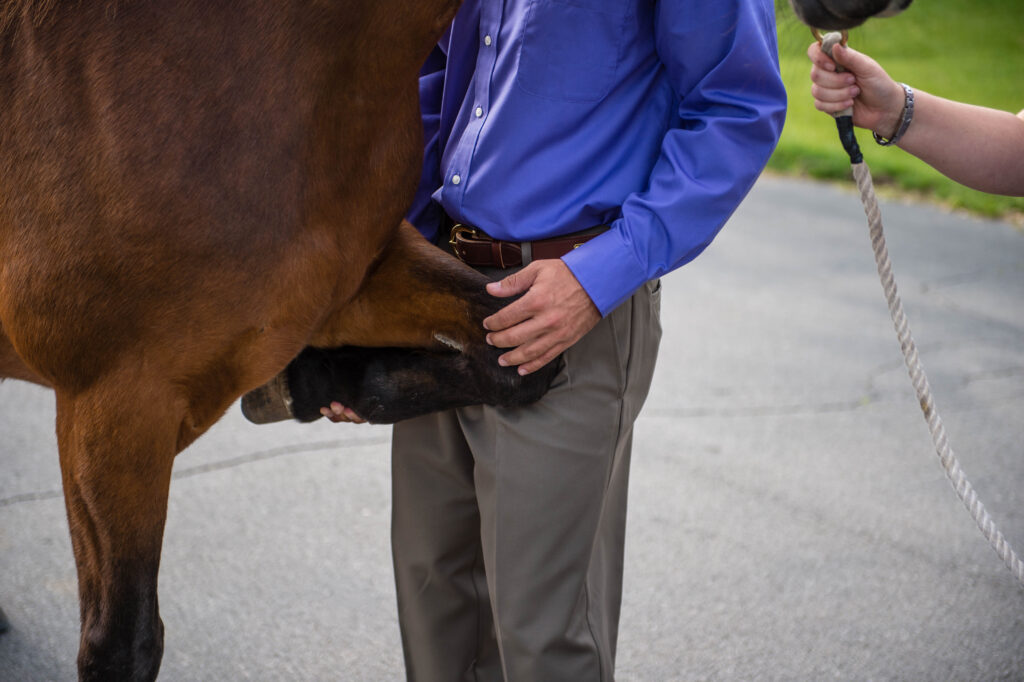
Morauw outlined a systematic lameness evaluation that includes a thorough history, physical examination, vital signs, pain assessment, palpation, hoof testers, and motion evaluation with flexion tests. An under-saddle exam may be appropriate if safe. Before asking a lame horse to jog, the veterinarian must consider whether exercise could worsen an injury, including a possible fracture.
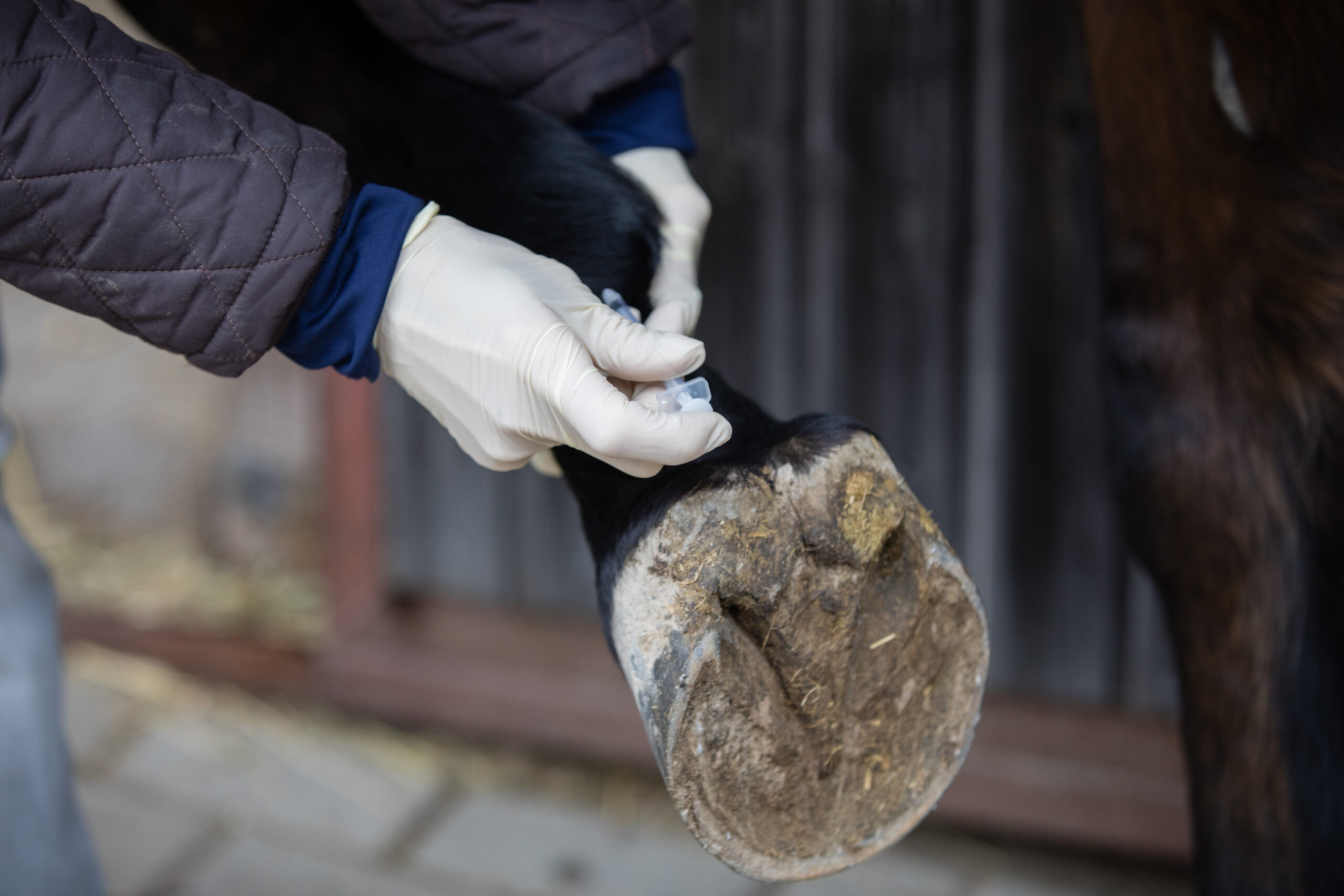
Localizing the source of lameness helps direct treatment. Field or clinic options might include nerve blocks, analgesia, radiography, and ultrasonography. Advanced diagnostics, possibly requiring referral, include joint blocks, MRI, scintigraphy, CT, and myelography. Clients should understand each procedure’s limitations, risks, possible complications of joint analgesia or arthrocentesis, anesthesia considerations, and insurance implications.
The appropriate diagnostic pathway depends on the horse’s condition, available facilities, veterinary capabilities, and owner goals. A horse expected to return to elite competition might warrant more extensive investigation than one intended for light recreational use. Age, endocrine considerations, career duration, and long-term welfare also matter. Direct communication with owners, trainers, and agents—supported by written recommendations and follow-up messages—helps prevent misunderstandings.
If a client declines advanced imaging or referral, the veterinarian should document which options were discussed and why the chosen approach remains appropriate. Severe lameness requires particular attention to urgency and welfare. Decisions should reflect clinical needs rather than convenience.
Colic: Time, Resources, and Reassessment
Mays discussed spectrum of care in colic cases where management is guided by clinical findings, interpretation of results, and transparent discussion of options. A thorough history may reveal zoonotic risks or another cause of apparent abdominal pain. Considerations include finances, referral access, equipment, staffing, and team experience.
When an owner chooses medical management, the veterinarian should establish a timeline for reassessment based on the horse’s response and evolving condition. If the horse fails to respond or deteriorates, alternatives must be reconsidered, including referral for surgery or euthanasia. Timing is critical, because a delay might eliminate options that were available initially. Insurance representatives and other involved parties might require notification, but administrative concerns must not supersede horse welfare.
Real-world limitations might preclude appropriate diagnostics due to unavailable referral facilities, difficult or lack of transport, severe weather, or a fractious horse that cannot safely undergo diagnostics. An owner may also decline recommended procedures, such as a rectal examination. In these cases it’s important to explain possible consequences and alternative options. Monitor the horse’s status and document the agreed-upon plan, obtaining the owner’s signature when possible.
If medical treatment fails and referral is no longer feasible, relief of suffering becomes paramount. Euthanasia may be the most humane option when continued treatment cannot reasonably achieve an acceptable outcome.
Euthanasia: Patient Welfare and Compassionate Decision-Making
Freer addressed euthanasia as a decision shaped by horse welfare and the emotional circumstances of a caring owner. Because horses are often companions and athletic partners, end-of-life decisions are emotionally painful.
An open fracture, inability to rise, severe pain, cancer, or another untreatable condition can leave no reasonable prospect of recovery. Referral surgery might be unavailable, unaffordable, or impractical because of transportation limitations. Veterinarians have a role to help owners explore realistic alternatives without judgment while recognizing when further intervention would only prolong suffering.
For horses approaching retirement, other options might include private farms, retirement facilities, or boarding arrangements. Although veterinarians might identify trustworthy caretakers, transferring a horse to an unfamiliar or unreliable home can expose it to neglect or suffering. An alternative is not necessarily preferable to euthanasia simply because it postpones the decision.
Veterinarians can decline to perform euthanasia if further assessment is warranted and may withdraw from situations they consider untenable. The panel speakers cautioned against judging clients facing difficult circumstances or colleagues making different ethical decisions. These cases require weighing potential harm, benefits, alternatives, and a horse’s future welfare.
Take-Home Message
Spectrum of care means offering medically supportable options, explaining risks and benefits, obtaining informed consent, and documenting decisions carefully. The goal is not necessarily to pursue every possible diagnostic or treatment procedure for each case. It is to select a defensible plan that protects a horse’s welfare while recognizing a client’s circumstances.
“Words matter and should be used accurately,” said Babcock. Compassionate communication, independent professional judgment, timely reassessment, and thorough medical records help veterinarians navigate difficult decisions while meeting their ethical and legal responsibilities within a spectrum of care.
Related Reading
- Performance Horse Ethics for Early-Career Veterinarians
- The Risks and Realities of Modern-Day Prepurchase Exams
- 10 Practical Tips for Minimizing Liability Risk in Veterinary Practice
Stay in the know! Sign up for EquiManagement’s FREE weekly newsletters to get the latest equine research, disease alerts, and vet practice updates delivered straight to your inbox.