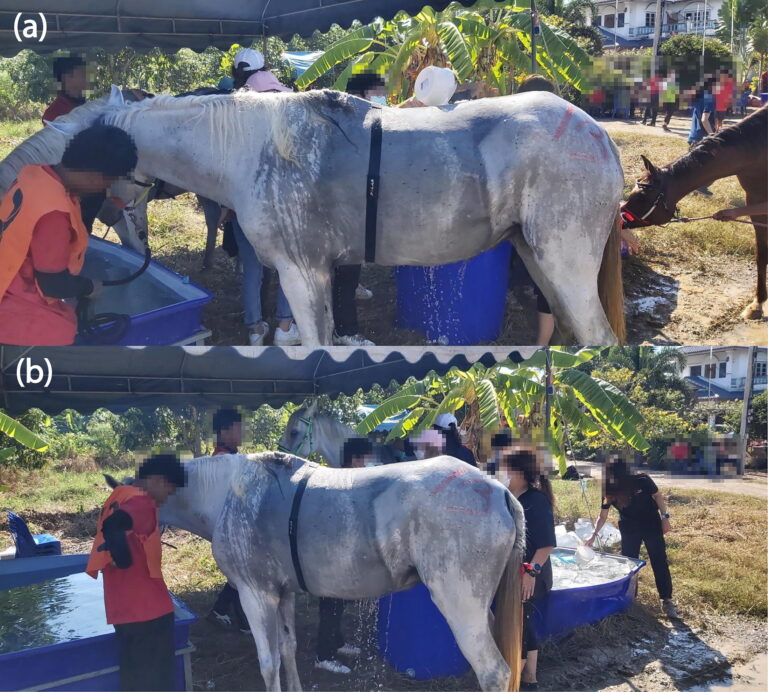
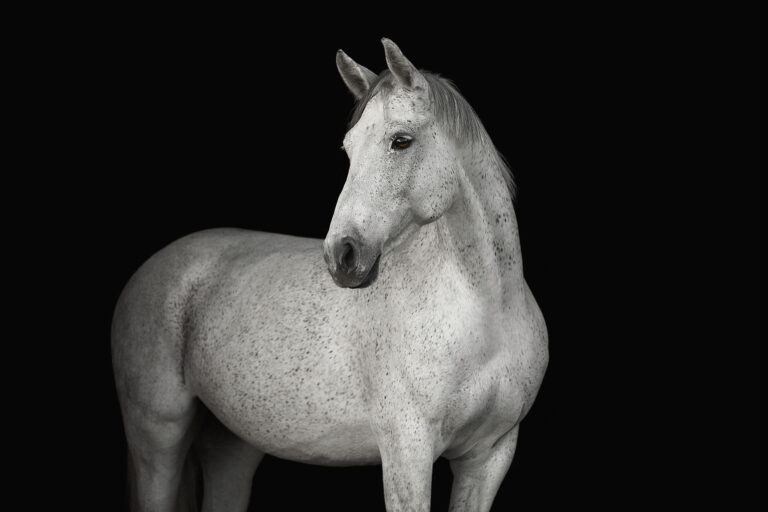
Pituitary pars intermedia dysfunction is one of the most common diseases of the endocrine system that can affect horses.2 PPID causes the horse’s pituitary gland, which utilizes hormones to control body functions, to work overtime. This can lead to a variety of problems for horses, ranging from unexplained laminitis to an abnormal fat deposits. PPID affects both male and female horses, all breeds and horses as young as 7 years of age.1
A Horse Doesn’t Have to be Older to be Susceptible to PPID
Horses as young as 7 years of age1, have been diagnosed with PPID. Earlier diagnosis may offer horses suffering from the disease a better quality of life, so ID PPID early.
Register now for a free webinar on “Rethinking the Signs of PPID.” The webinar will be presented on Monday, May 23, 2016.
4:00-5:00 p.m. Eastern
5:00-6:00 p.m. Central
6:00-7:00 p.m. Mountain
7:00-8:00 p.m. Pacific
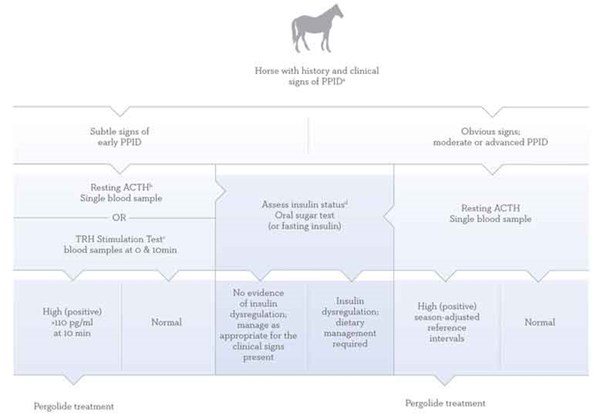
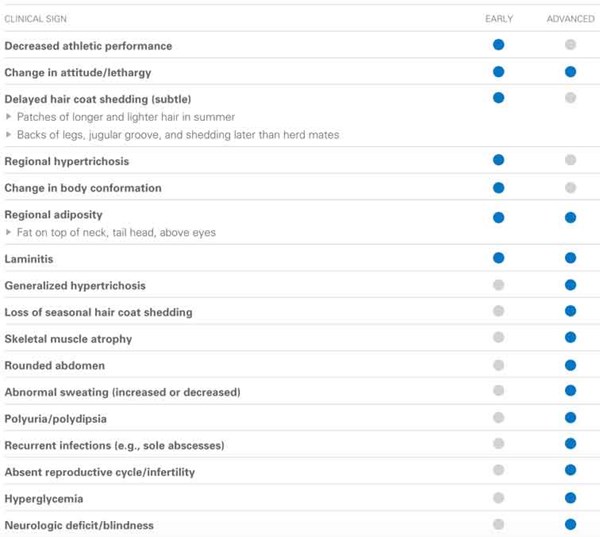
The early clinical signs of pituitary pars intermedia dysfunction (PPID), formerly known as equine Cushing’s disease, are more subtle compared to the advanced signs of the disease. That’s why knowing and recognizing these early signs is important. This webinar will present the recent research around the early and advanced signs of PPID and show how PPID is not just the signs that everyone initially considers.
This is a free webinar brought to you by EquiManagement and Boehringer Ingelheim Vetmedica Inc. Register now online.
Speaker: Steven Grubbs, DVM, PhD, DACVIM, Equine Technical Manager, Boehringer Ingelheim Vetmedica, Inc.
Grubbs is originally from Tennessee. He is a veterinarian and a Diplomate in the College of Veterinary Internal Medicine (Large Animal) and after 10 years of private and referral practice returned to graduate school and obtained a PhD in Comparative and Experimental Medicine with an emphasis in virology and immunology.
References
1. Schott HC. Pars pituitary intermedia dysfunction: challenges of diagnosis and treatment. In: Proceedings from the 52nd AmericanAssociation of Equine Practitioners Annual Convention; December 2–6, 2006; San Antonio, TX.
2. Ireland, J.L., et. al. Comparison of owner-reported health problems with veterinary assessment of geriatric horses in the United Kingdom.In: Equine Veterinary Journal; ISSN 0425-1644. 2012.