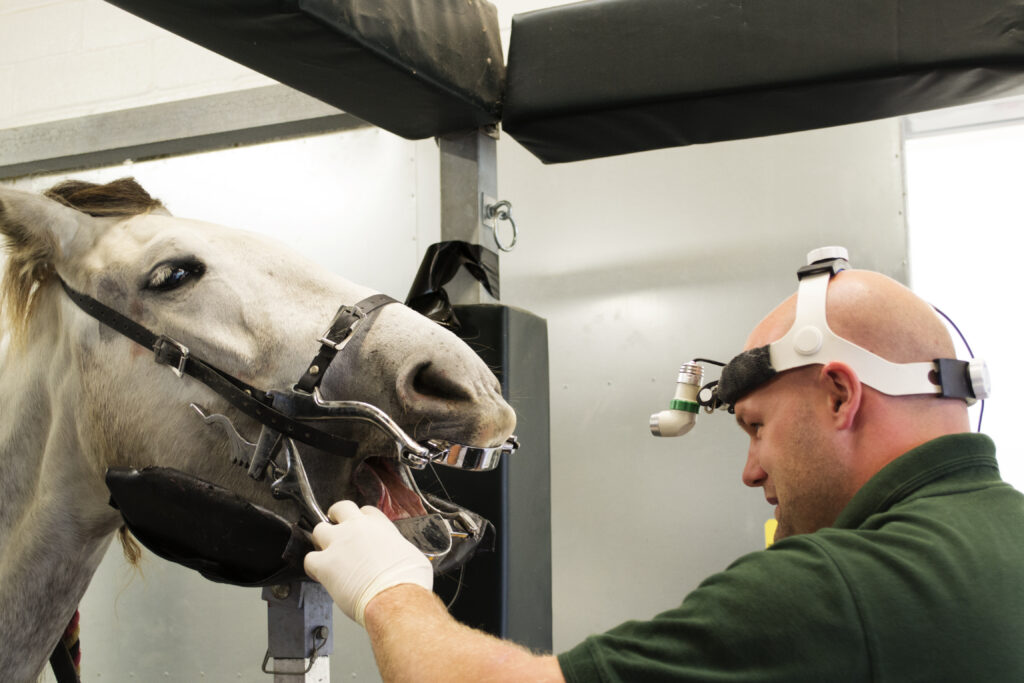
Age-related dental changes are major contributors to dental disorders in older horses. These horses often require cheek tooth extractions to maintain masticatory function and oral comfort. However, limited information is available on clinical and treatment characteristics in this older patient population.
A retrospective analysis of clinical records aimed to describe clinical features, treatments, complication rates, and short-term outcomes of horses undergoing oral cheek tooth extraction and treatment of odontogenic sinusitis, and to compare findings between geriatric and nongeriatric horses.
Study Population
Researchers collected and analyzed data from horses undergoing cheek tooth extractions (2018-2022). They recorded clinical features, treatments, and outcomes and analyzed them by age (per year), making comparisons between nongeriatric (< 20 years) and geriatric (≥ 20 years) horses. The study included a total of 442 horses undergoing 710 dental extractions:
- 154 (34.8%) were geriatric.
- 288 (65.2%) were nongeriatric.
Study Findings
Geriatric age was significantly associated with:
- The reason for extraction, with periodontal disease being the most frequent (53.3% vs. 12.9%; p < 0.001).
- Extraction of multiple teeth (53.8% vs. 28.5%; p < 0.001).
- Extraction of mandibular cheek teeth (42.9% vs. 25.7%; p < 0.001).
- Concurrent diseases (29.2% vs. 11.8%; p < 0.001).
- Receiving long-term medication (14.9% vs. 1.4%; p < 0.001).
On the other hand, increasing age was significantly associated with lower odds of:
- Receiving antibiotics (OR 0.95 [95% CI 0.92–0.98] p < 0.001).
- Requiring invasive extraction technique (OR 0.96 [95% CI 0.93–0.99] p = 0.011).
Complication rates did not differ (OR 0.98 [95% CI 0.98–1.01] p = 0.201) between age groups.
Bottom Line
Geriatric horses more frequently required extraction of multiple teeth, primarily for periodontal disease, whereas nongeriatric horses more often required invasive extraction techniques. Complication rates did not differ between age groups, and the short-term outcome was favorable in geriatric horses.
https://beva.onlinelibrary.wiley.com/doi/10.1002/evj.70199
Related Reading
- Ins and Outs of Equine Dental Extractions
- Imaging Techniques for Equine Maxillary Cheek Teeth
- Equine Tooth Extractions: Know When to Refer or Abort
Stay in the know! Sign up for EquiManagement’s FREE weekly newsletters to get the latest equine research, disease alerts, and vet practice updates delivered straight to your inbox.