This article originally appeared in the Fall 2026 issue of EquiManagement. Sign up here for a FREE subscription to EquiManagement’s quarterly digital or print magazine and any special issues.
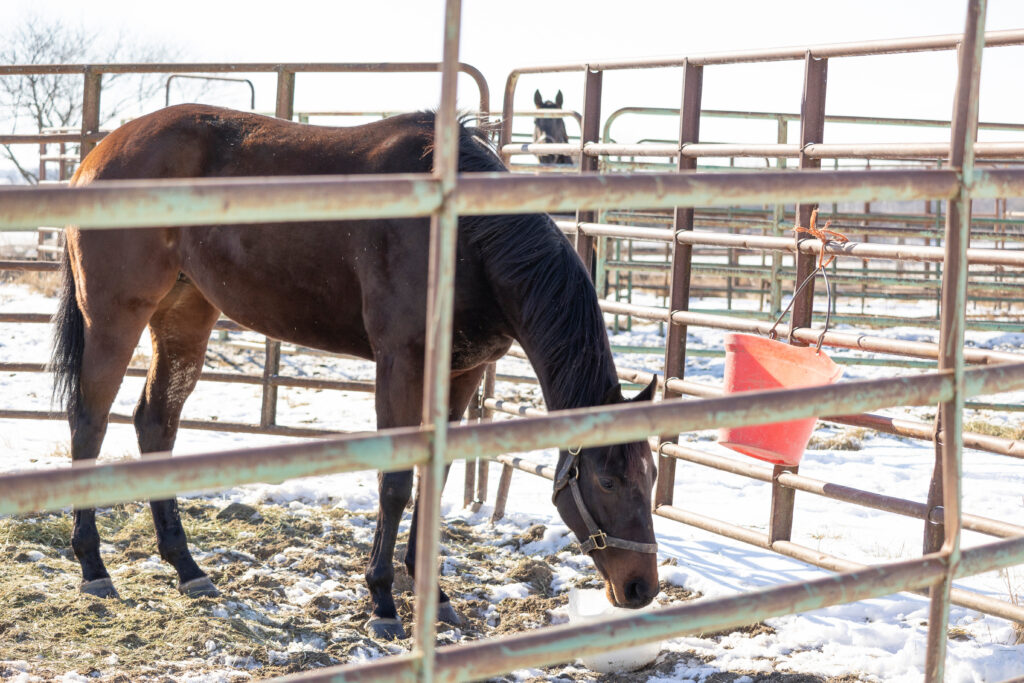
At VMX 2026, Amy Stieler Stewart, DVM, PhD, DACVIM, of North Carolina State University, presented a concise synopsis about diagnosing and managing equine strangles infections.
She reminded attendees that incubation of this highly infectious bacteria takes 3-14 days, with a fever occurring about 2-3 days before shedding. This information can help veterinarians and owners implement diligent biosecurity protocols and monitoring to contain infection during an outbreak. This bacteria can survive for 4-6 weeks in water and up to a month on buckets and other equipment in cool weather. A horse infected with Streptococcus equi subsp. equi can shed for at least two to three weeks and often for six weeks; persistent carriers might shed much longer due to the presence of bacteria in the guttural pouch. Following recovery, up to 25% of horses might develop a reinfection from failure to produce or maintain protective antibodies.
Managing a Horse With Strangles
In most cases, strangles is allowed to run its course with good nursing and patience while the horse’s immune system combats the infection. Quarantine and biosecurity strategies are important to contain spread. Once mandibular and/or retropharyngeal abscesses mature, they can be drained and flushed. If a horse is not taking care of itself, flunixin meglumine might be helpful. If the horse is miserable and has audible respiratory noise, then a tracheostomy might be necessary.
Antibiotic use in the face of strangles infection is controversial. The general consensus is to use antibiotics only in complicated or immunosuppressed cases. Penicillin or ceftiofur are most effective whereas trimethoprim-sulfa is not. Stewart said antibiotics have the most efficacy if started prior to lymph node swelling.
Possible Complications
Guttural pouches often harbor S. equi equi, leading a horse to become an asymptomatic persistent carrier that requires topical and systemic antimicrobial treatment for 7-10 days. In about 10% of cases, inspissated pus within the guttural pouches develops into chondroids necessitating surgical intervention (laser ablation creates a fenestrated opening to enable better drainage with lavage). Stewart recommends using Penicillin Gel (Rood & Riddle formulation) for topical treatment of the guttural pouches.
Stewart described other possible complications related to S. equi equi infection:
- Purpura hemorrhagica is a Type III hypersensitivity response related to an antigen/antibody complex. This immune reaction might develop during an active strangles infection or after recovery. The SeM titer test identifies antibodies to the cell wall M-protein of S. equi equi. Vaccination is not recommended for horses with SeM titers ≥ 1:3,200 due to a higher risk of adverse complications such as purpura hemorrhagica. It is best to check a second SeM titer 10 days later; a ≥ fourfold increase from the second test compared to the first indicates a horse with ongoing or recent exposure.
- Immune-mediated myopathy results from an autoimmune response of severe acute muscle atrophy secondary to respiratory infection or vaccination against S. equi equi. This often occurs because of a MYHM (myosin-heavy chain myopathy) mutation in Quarter Horses. Diagnosing this mutation involves a six-panel diagnostic test acquired through the American Quarter Horse Association with hair samples submitted to the University of California diagnostic lab. A horse with the MYHM mutation should not be immunized with currently available strangles vaccines because they will react to a piece of the Streptococcus protein found in the vaccines.
- Metastatic abscesses, also referred to as bastard strangles, are most commonly found in the intra-abdominal or intra-thoracic areas due to abscessation of atypical lymph nodes. Affected horses present with weight loss, fever, or intermittent colic. An SeM ELISA titer greater than 12,800 is diagnostic for the presence of S. equi specific M protein that leads to persistent guttural pouch infection and/or bastard strangles.
Testing for Strangles Infection
A nasopharyngeal wash or a sample taken from the guttural pouch confirms a strangles infection. For horses with swollen lymph nodes, an aspirate of the node can confirm a diagnosis. qPCR is three times more sensitive than a bacterial culture but does not distinguish between dead or live bacteria. However, a culture identifies live bacteria and is more helpful to determine if a horse is actively shedding and at risk to others. Serum testing of the SeM protein with two samples taken 10-14 days apart helps confirm infection, and not just exposure, while indicating if a horse is at risk for complications.
Stewart advised against testing to identify recovered horses until at least three weeks after the last horse’s clinical signs resolve or after antibiotic treatment has concluded. To clear a horse to return to the general population, she recommended performing a guttural pouch lavage or three nasopharyngeal swabs/washes evaluated several days to a week apart.
Biosecurity Protocols
Conscientious biosecurity is required to prevent an S. equi equi outbreak. Quarantine incoming horses for at least three weeks upon arrival. Quarantine alone, however, is not sufficient, said Stewart. Ideally, all new horses to a property would be tested with a guttural pouch lavage or endoscopic exam.
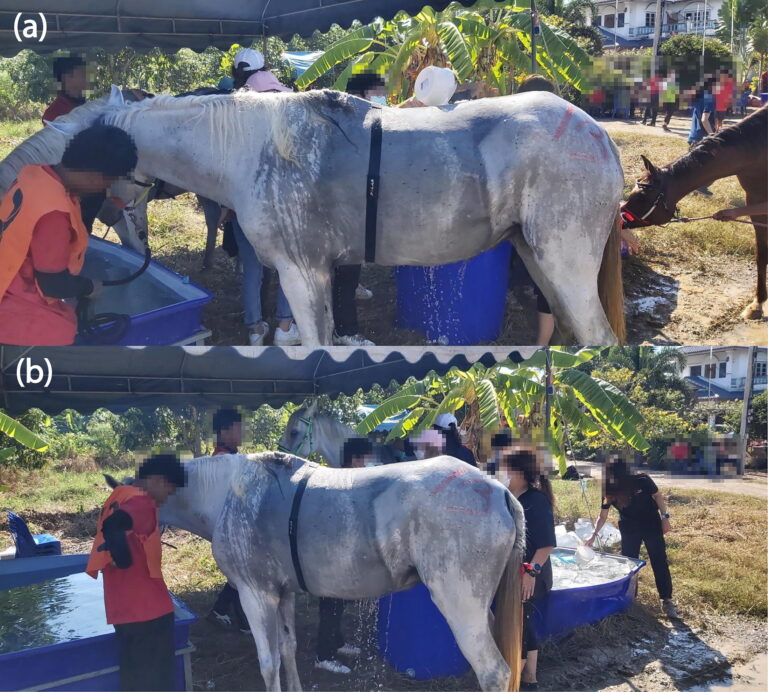
Biosecurity is critical not only for prevention but also during an outbreak, stressed Stewart. Affected and exposed horses should be separated from unexposed. A “stoplight” system categorizes horses according to clinical signs, exposure, and infection. For example, red is used for horses showing clinical signs; yellow for horses exposed but not showing clinical signs; and green for horses that have not been exposed. Horses are segregated and stabled in areas with horses of like designation. Caretakers always handle green horses first, then yellow, and lastly red. However, she noted it’s better to have separate crews of people caring for each stoplight color designation without interaction with other groups. Equipment must be separated similarly. Temperatures should be taken daily and horses moved to the appropriate yellow or red color group if their rectal temperature is greater than 101.5 degrees Fahrenheit.
Final Thoughts
The bottom line with strangles infections is to implement diligent monitoring and biosecurity and use diagnostic tools to identify infected horses and confirm when they are cleared of infection.
Related Reading
- Disease Du Jour: Managing Equine Strangles Outbreaks
- Update on a New Strangles Vaccine
- Diagnosing Respiratory Ailments in Horses: Wash or Lavage?
Stay in the know! Sign up for EquiManagement’s FREE weekly newsletters to get the latest equine research, disease alerts, and vet practice updates delivered straight to your inbox.